Before students even think of stepping up to the microphone, much planning must be done. In fact, that preproduction can takes more three-quarters of the time to produce a podcast. Students need to keep their audience in mind. Who will listen to the podcast? Is it everyone in the school? Is it parents? Is it students in another state or another grade level? Determining who exactly is the audience should help focus the podcast.
The podcast will need a name. The more creative, the better!
In preproduction, you must also decide upon the format for the podcast. Who will actually be heard in the recording? Should you have a host? What segments do you plan for the show?
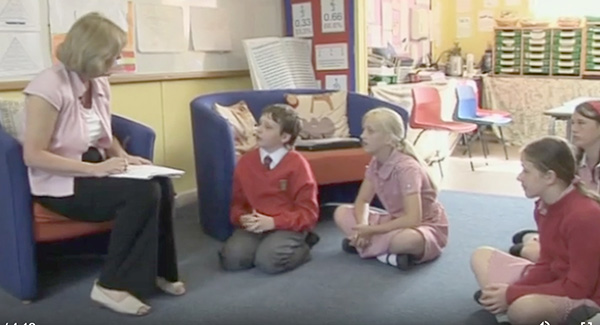
Sample ideas and uses for a podcast:
- Weekly classroom news broadcast
- Document a field trip
- Record a class discussion
- Share book reviews
- Conduct interviews
- Review curricular content
When planning, consider the length of your podcast. This will be based on your content and audience. Podcasts are typically around 8 minutes long, which seems to work well for our audience of students.
If your podcast is involving an entire classroom of students, the teacher should find ways to involve everyone in preproduction. For Radio WillowWeb, some teachers have everyone pair up in class. The pairs all write segments. Then the pairs present the segments to the entire class. The teacher and students then select which segments should be included in the podcast. This way everyone is involved, the podcast gets the best segments, and the recording will be an appropriate length.

It’s really helpful for students to practice what they are going to say out loud to others. Adult volunteers can help students listening to them practice what they will say in the podcast. The volunteers or others in the team can coach students to do better. Students tend to have trouble speaking at an appropriate volume and speed. They will probably need help enunciating too and getting a clear a suitable sound level.